

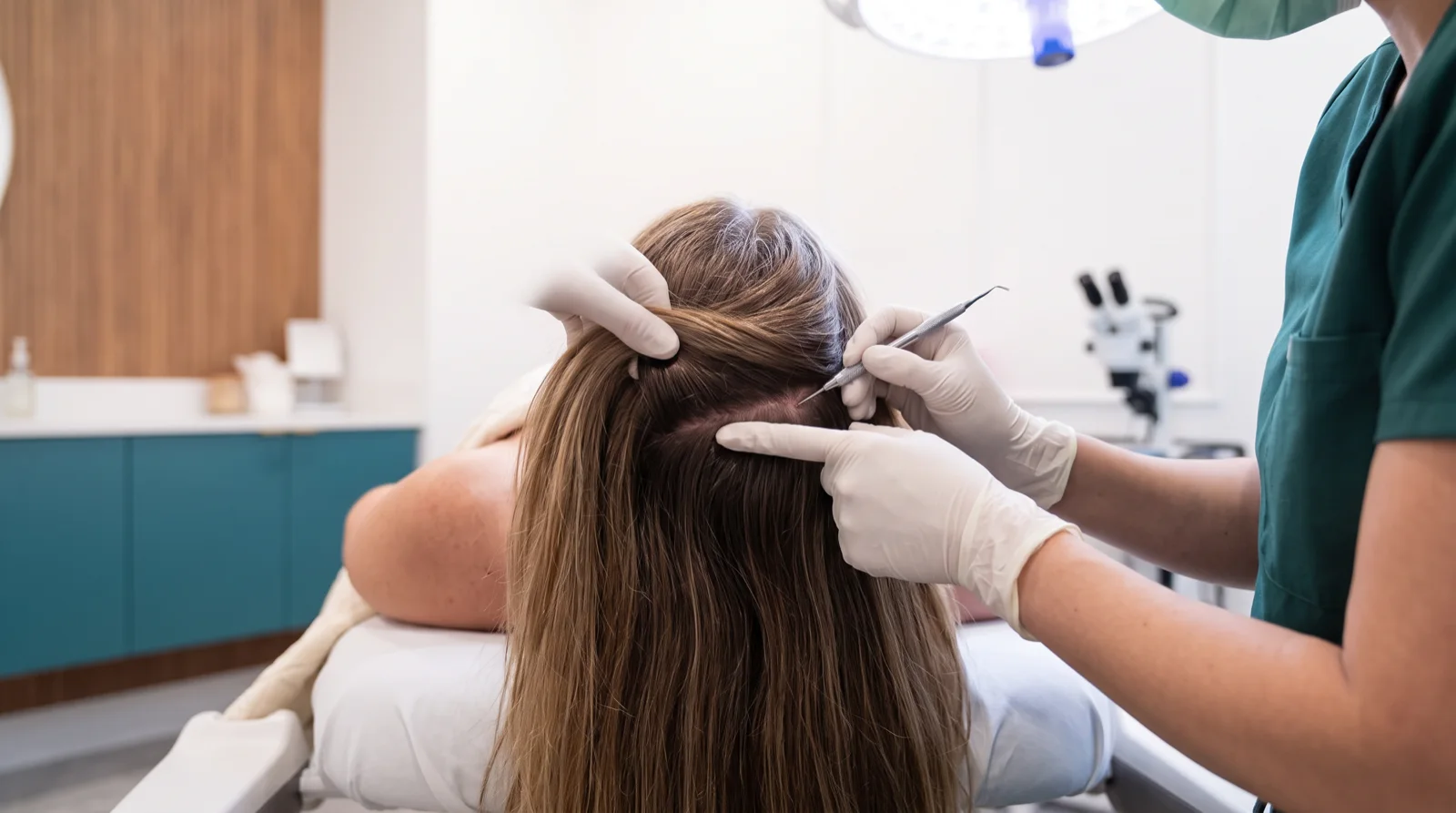
No-shave FUE
Hair at full length
- What is trimmed
- Only the hair of each graft
- Per session
- Up to about 1,500*
- Time
- Nearly twice as long
- Price
- A little higher

Women’s hair loss is not the male pattern, and a female hair transplant at our Tampa clinic is not the male procedure. We lower and round high hairlines, rebuild density along the parting, and restore edges lost to traction, with no full shave, ever. And when surgery is not your answer, we say so.
Almost every woman who comes to us starts in one of these three places.

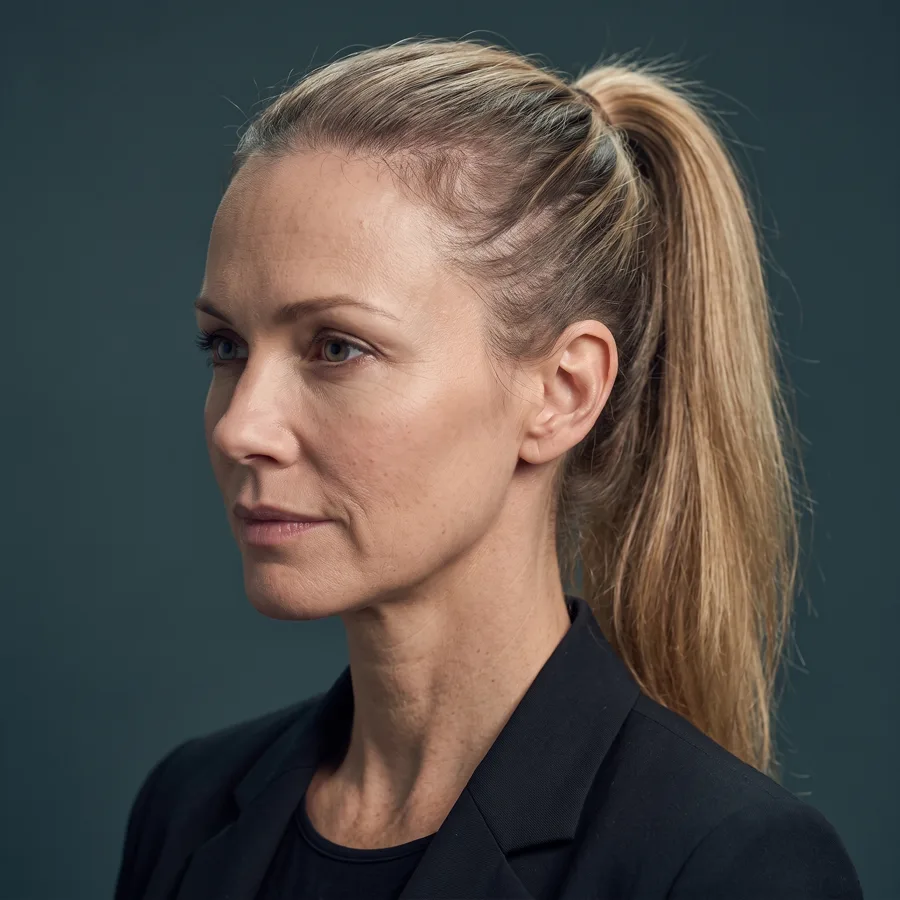
Born high or receded at the corners. We lower and round it into a soft, feminine edge.
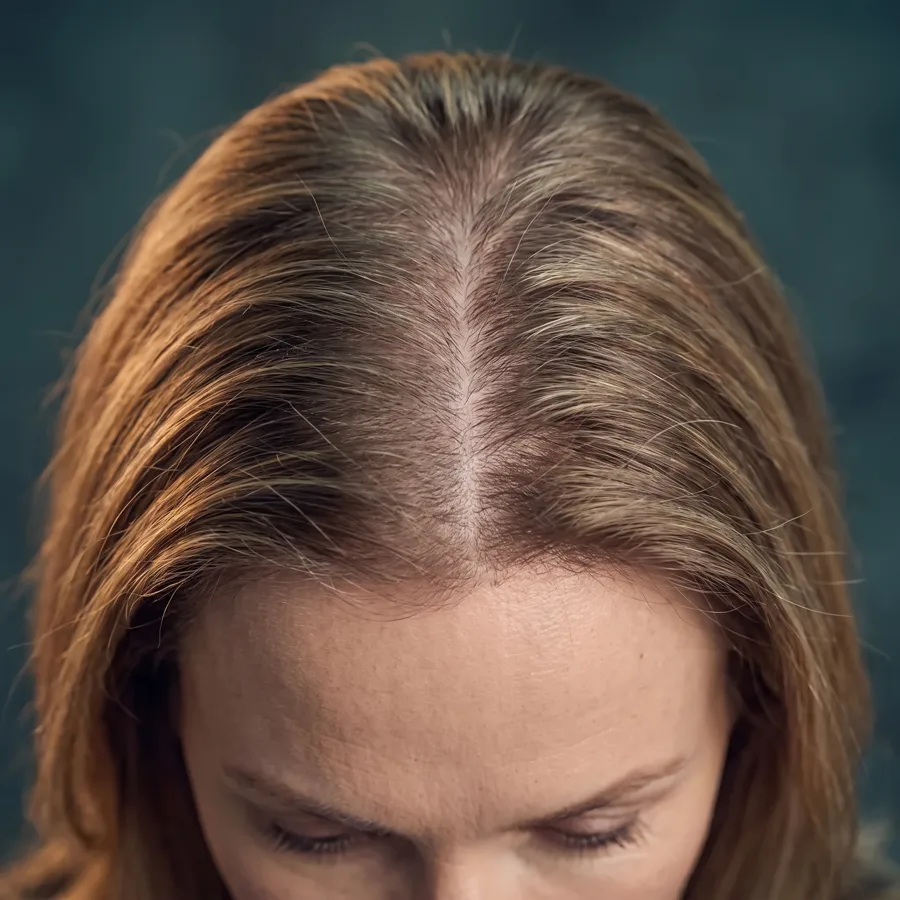
The parting shows more scalp every year while the front holds. We rebuild density along it.
Years of tight braids, weaves and ponytails thin the temples. Once the tension stops, we restore the edges.
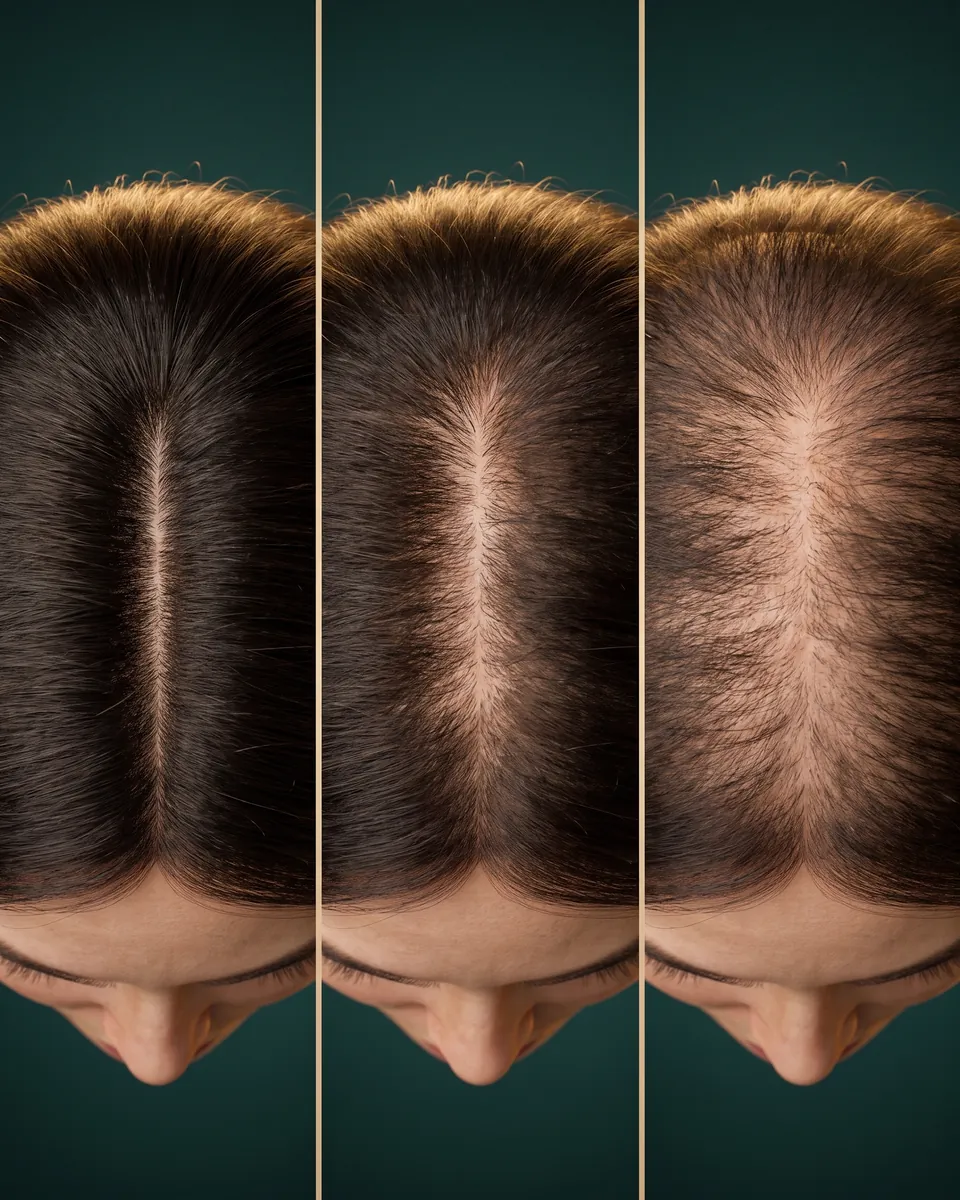
This is the question that decides everything, and most clinics skip it. It comes down to your donor area.
Your thinning follows a pattern, a widening part, a high hairline, thinned temples, while the back and sides stay dense. That donor hair is genetically stable, and moving it works: hairline lowering, part density, traction repair.
When thinning covers the whole scalp including the donor zone, transplanted hair carries the same fragility, surgery spends your reserves without solving the cause. We will tell you this to your face, because selling you a failed procedure is not a business we want.
Sudden shedding after childbirth, illness or intense stress is usually temporary, the cycle recovers in months. No honest clinic operates on it. We support the recovery and re-evaluate later if needed.
A “no” to surgery is not a dead end: medical-grade supplementation like Nutrafol® Women, 100% drug-free, shown in clinical studies to improve hair growth, plus PRP can strengthen what you have while we monitor your donor area.*
*These statements have not been evaluated by the Food and Drug Administration. This product is not intended to diagnose, treat, cure, or prevent any disease.
The number one fear women bring to this consultation, answered first.
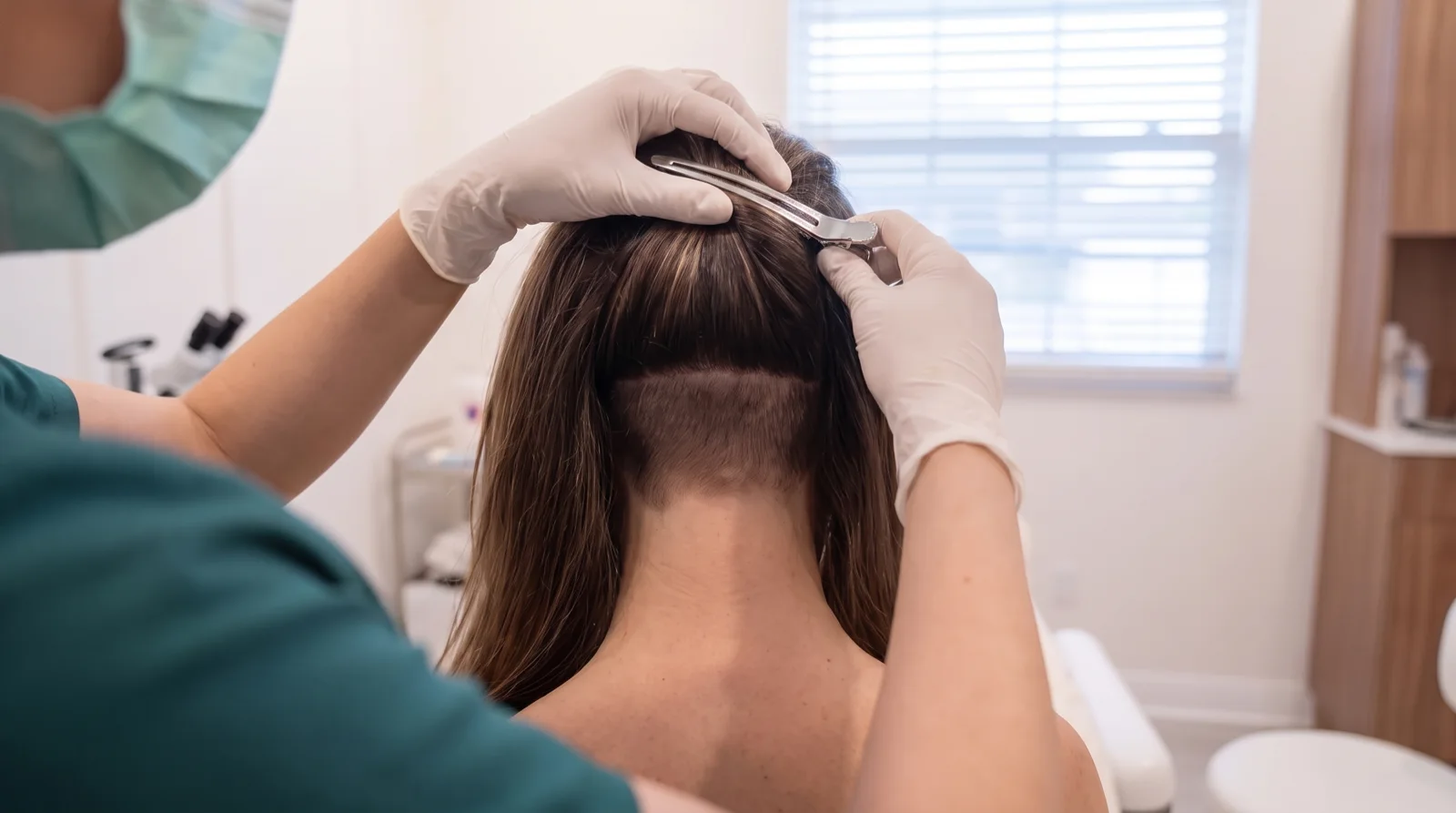
In women we harvest with your hair at full length or, for larger sessions, through one narrow strip hidden under the layers above. It takes longer, which is why it usually costs a little more.
Hair at full length
One strip hidden under the layers
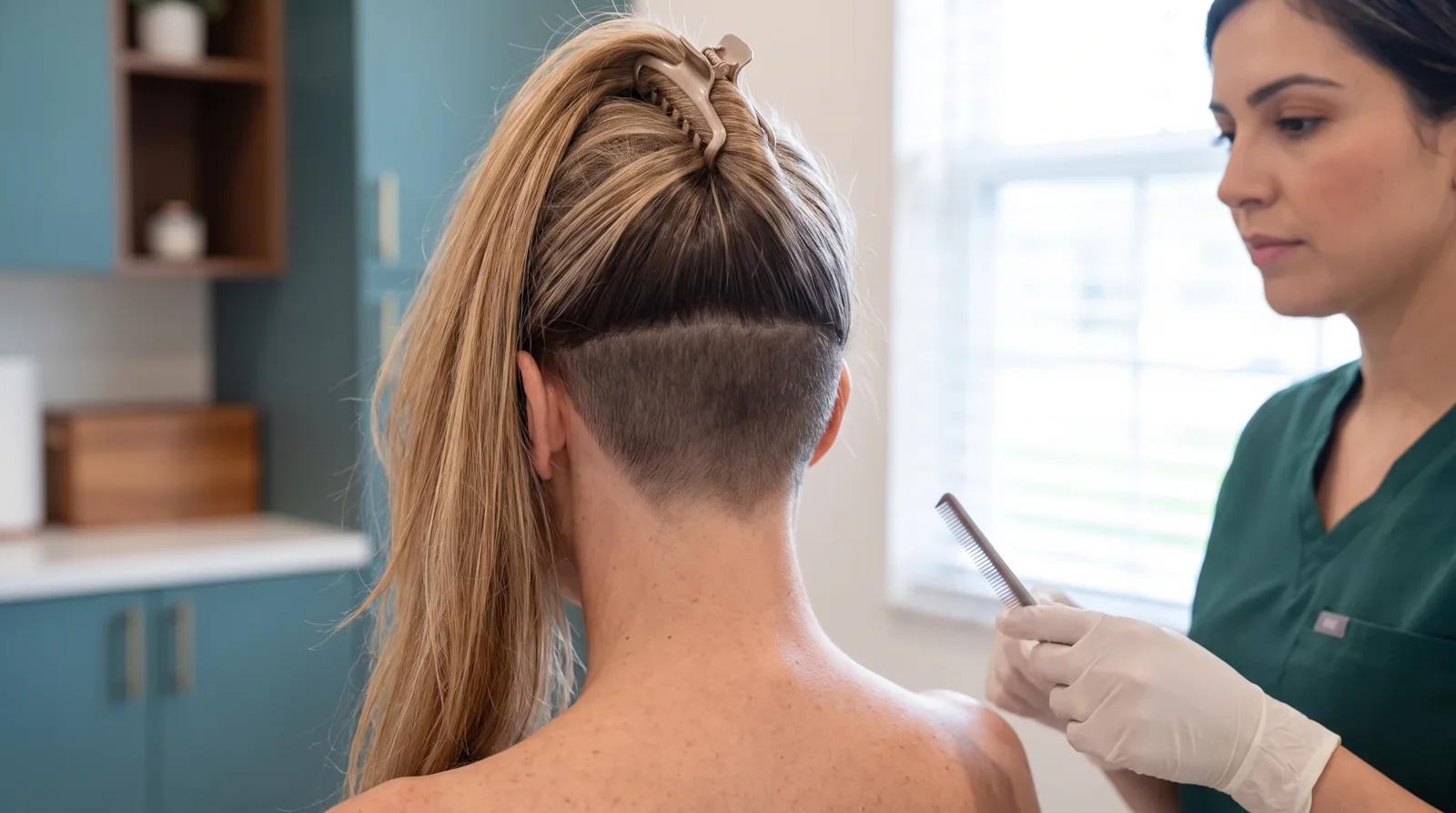
The standard session
*Guideline ceilings from the clinical literature (Shapiro Medical; Schambach, Hair Transplant Forum International, 2020, 10 patients), not our clinic’s figures. Your count, your technique and your price come in writing from the consultation.
No mystery, no surprises. This is exactly how your visit goes:
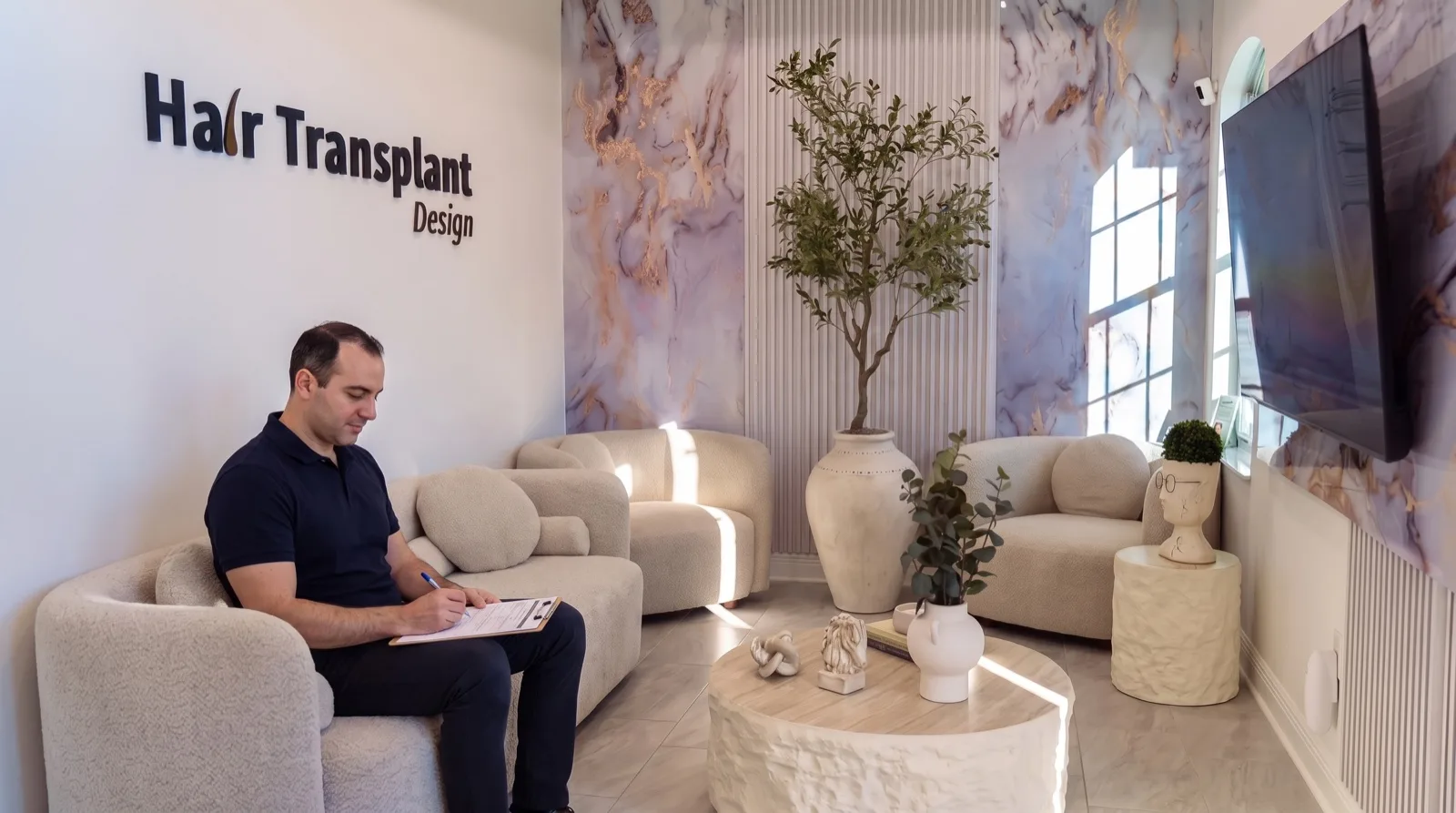
You arrive, complete the clinic documents, and we answer any last questions. No rush.
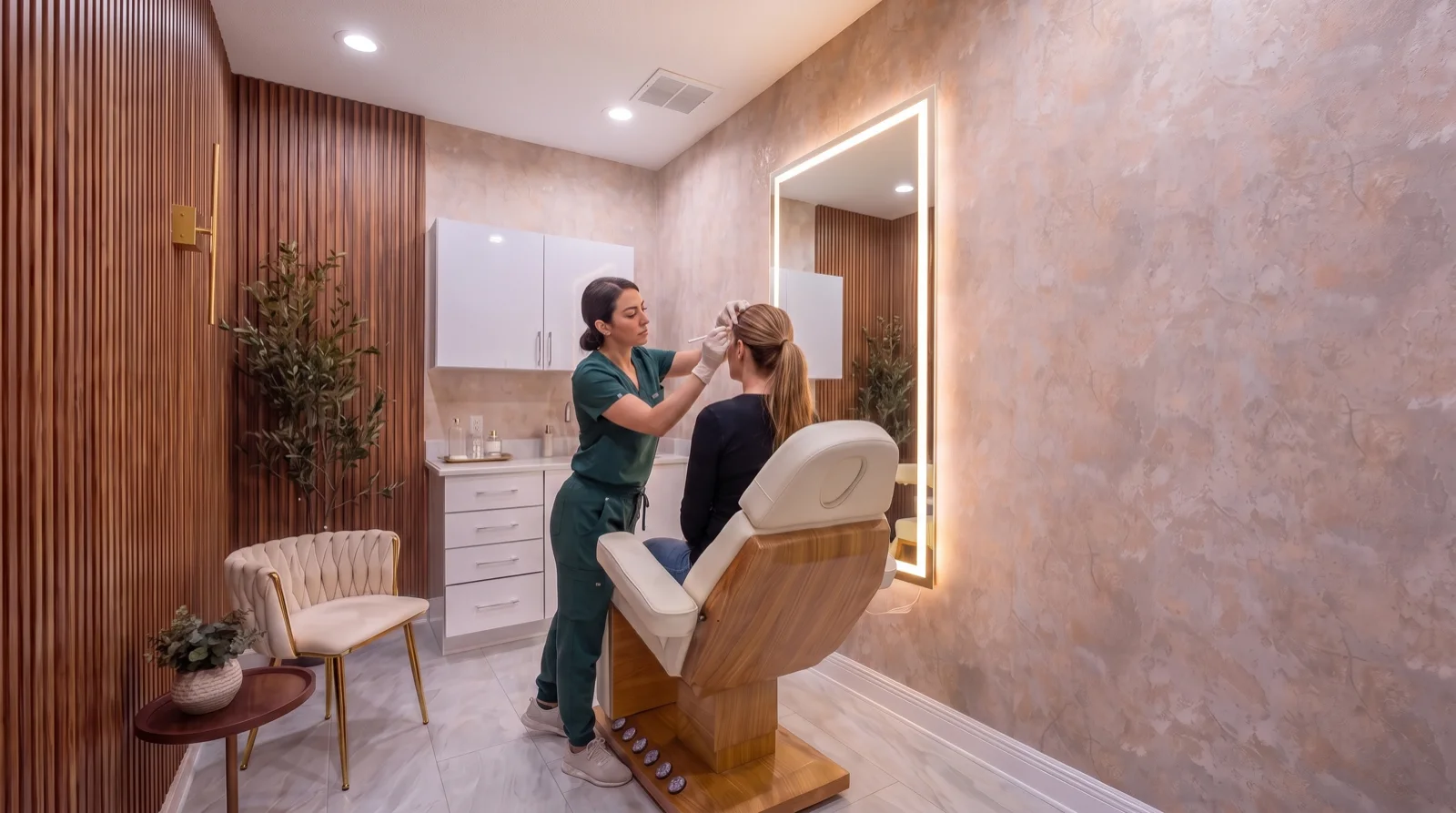
Your hairline or density plan is drawn and measured to your face: soft, rounded, feminine. Nothing starts until you approve it in the mirror.
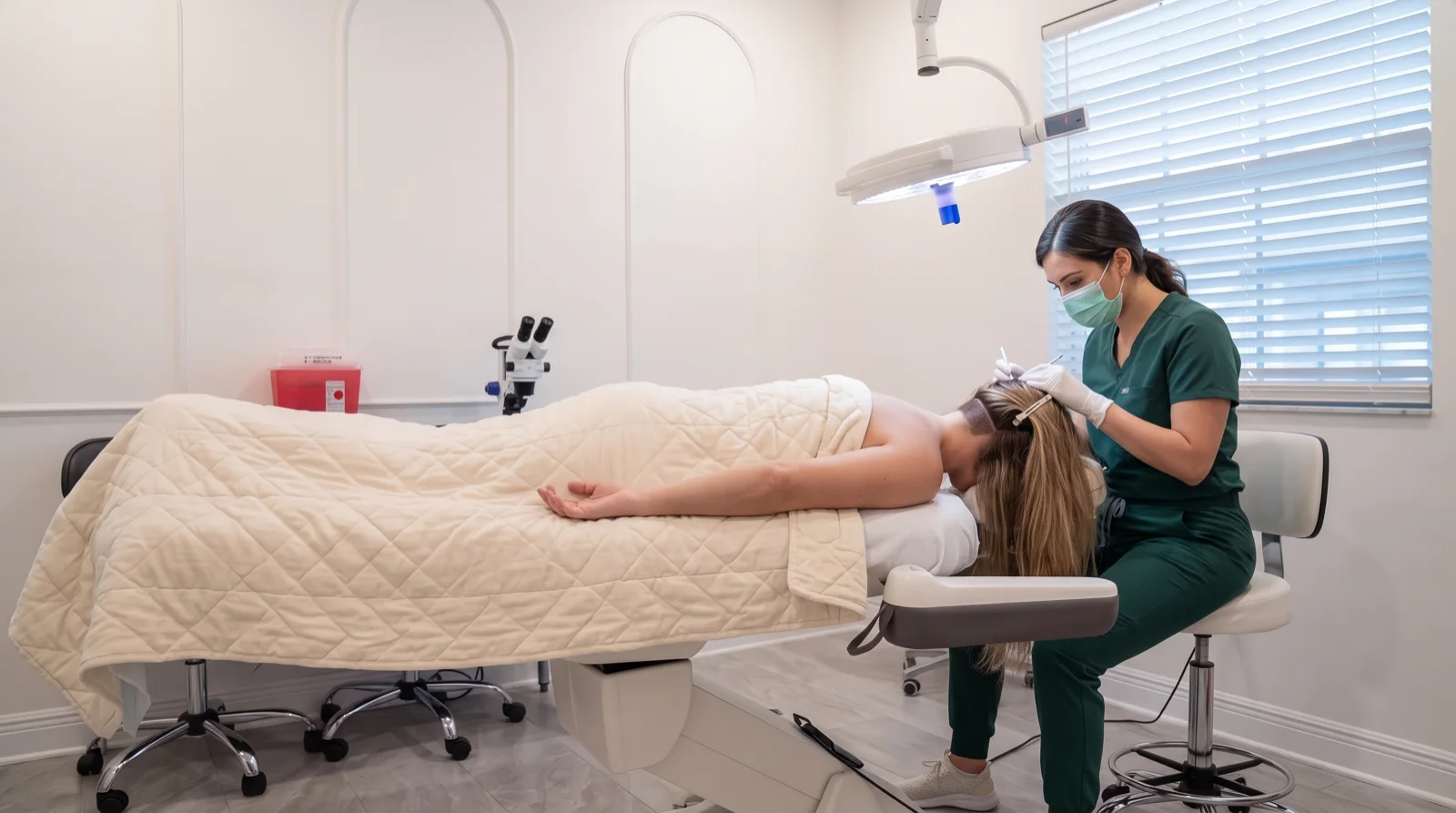
Under local anesthesia, follicles come from under the layers at the back of your head, no-shave or partial-shave, as planned together. You feel pressure at most.

You are numb and comfortable. Most patients watch a movie or listen to music through the session. We pause, you eat, the team preps implantation.
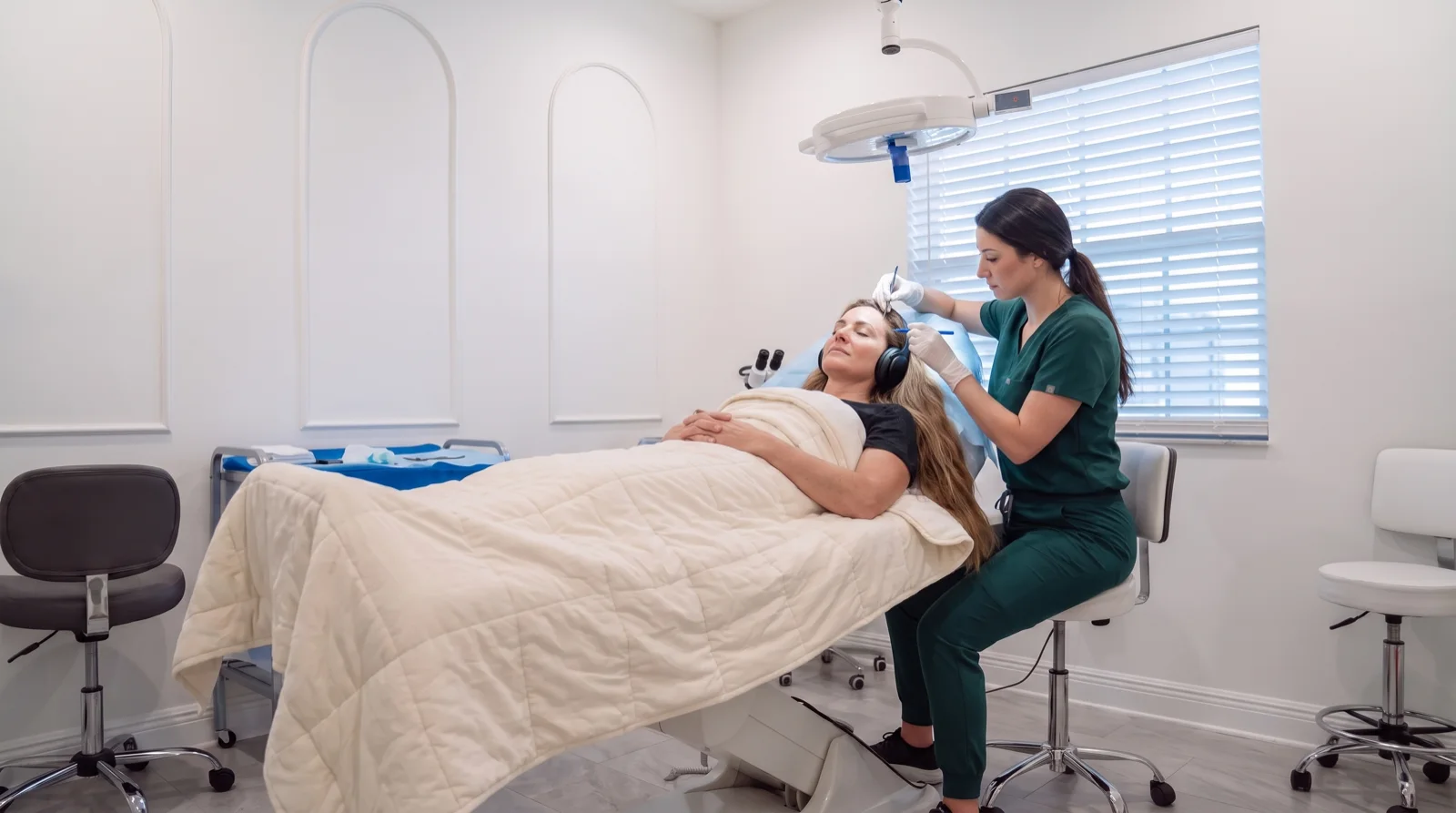
Fine single grafts build the front edge and blend between your existing hairs, at the flat angle and forward direction feminine hairlines demand.
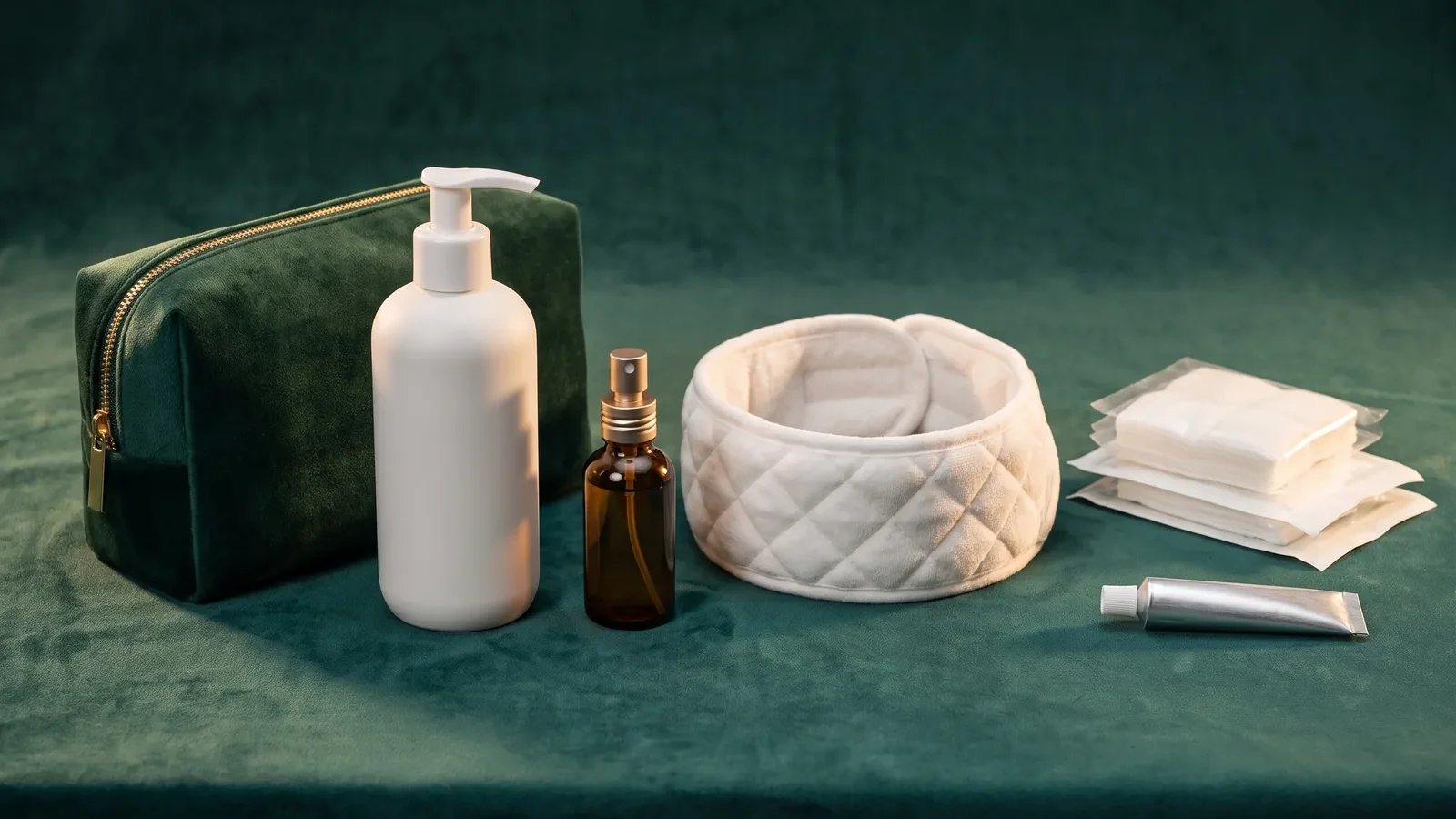
We walk you through every aftercare step and hand you your kit with everything the first weeks need. Then you go home, same day.
The honest answer: the anesthesia injections pinch for a few seconds. That is the most uncomfortable part of the day. After that, pressure at most. Mild tightness the first night is covered by the medication in your kit.
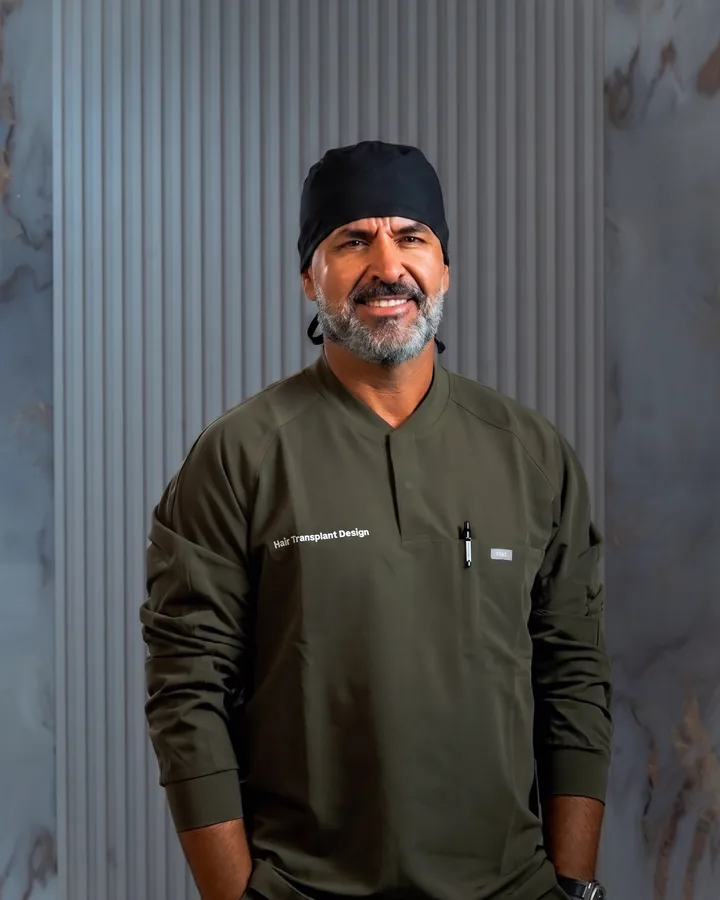
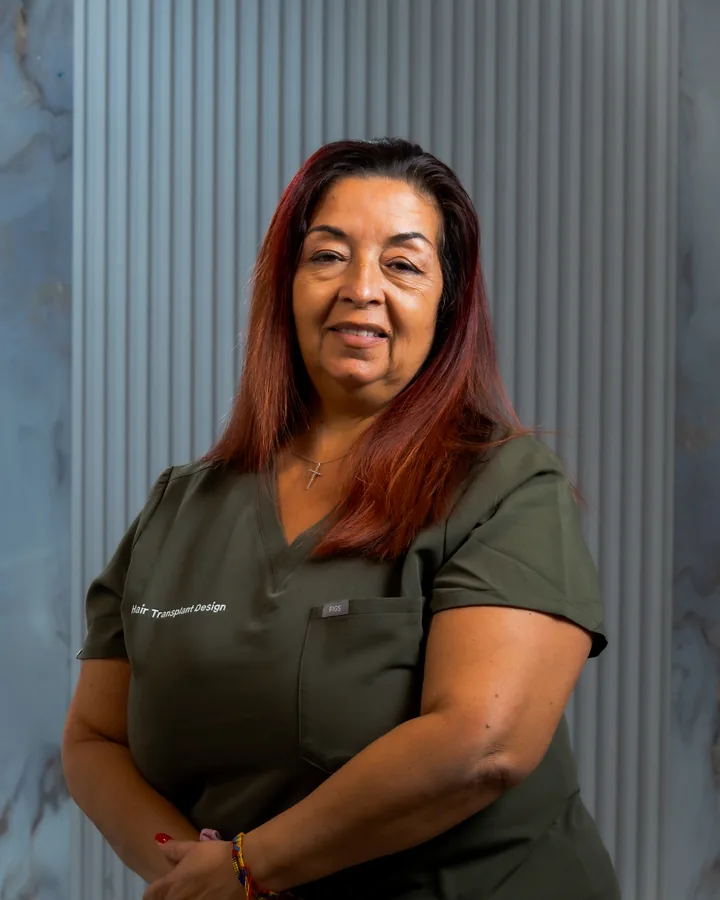
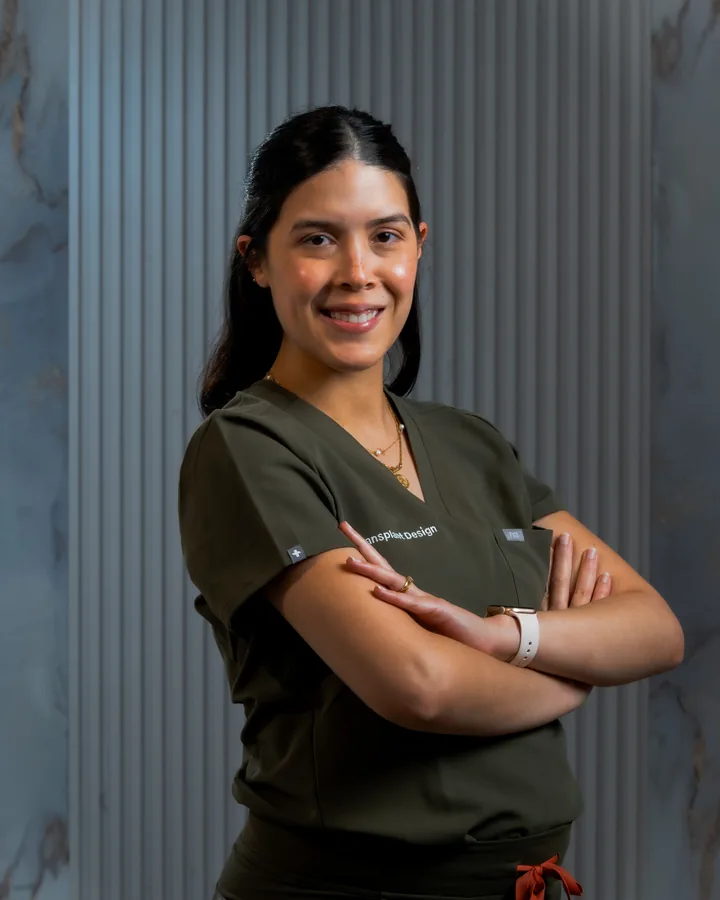
Two nurse practitioners licensed for the procedure, and the two assistants who work alongside them. Your consultation and your session are with this team, one-on-one.
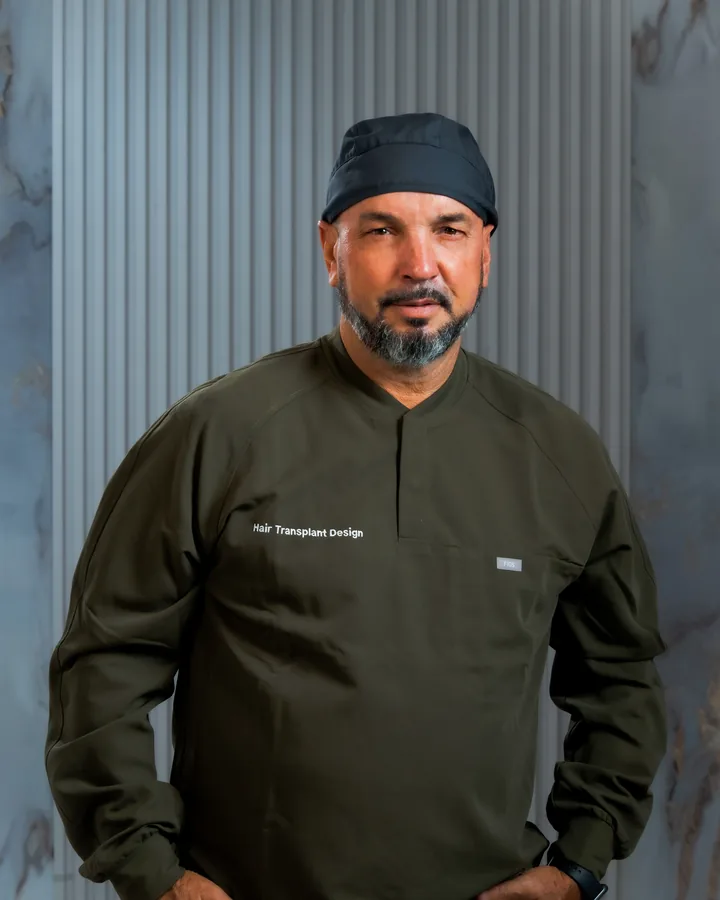 Eddy Jimenez CruzAPRN
 Jeandy B. Diaz GomezAPRN
 Alicia Marie SastreMedical Assistant
 Yraydee UrbanoClinical Medical Assistant
Transplanted hairs shed between weeks 2 and 6, normal and expected, not a failure. The follicles stay anchored, and growth builds from month 3.
We do not do the transplant and wave goodbye. Your procedure includes a follow-up program of up to five years: the same team follows your growth, adjusts what needs adjusting and answers the phone, from the first wash to the settled result.
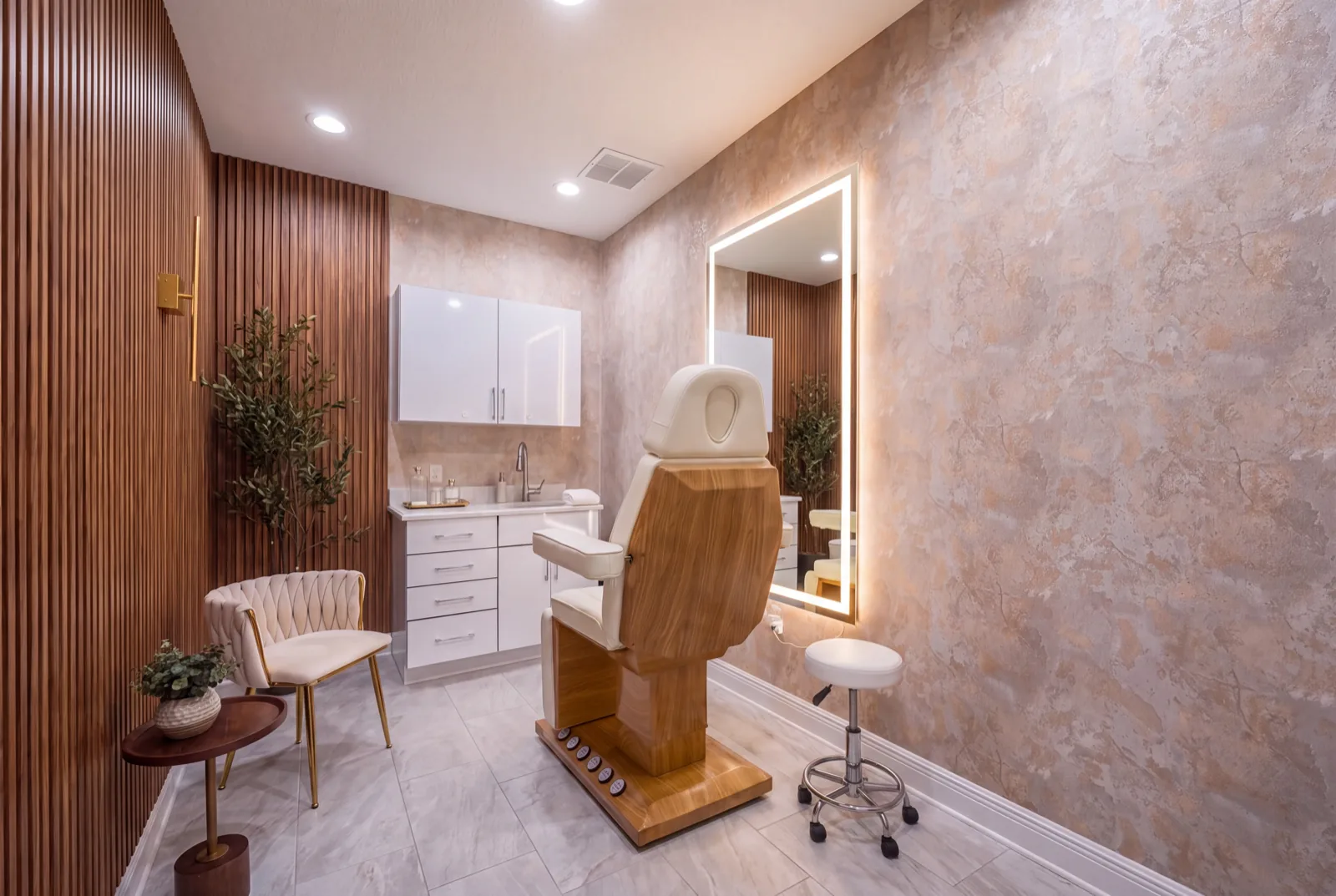
The program is part of the price of every transplant, whichever session size you need.
Priced case by case
The price of a female hair transplant depends on several factors: the pattern of loss, the area to treat, the density you want and your donor area. That is why it needs a consultation: there you get your graft count and your price in writing. Included: anesthesia, the meal on the day, your recovery kit and up to five years of follow-up. Financing available.
No. No-shave FUE keeps your hair at full length; partial-shave trims one small strip hidden under the layers above it. Nobody has to know. That is the design goal of the whole female protocol.
If your thinning has a pattern and your donor area is dense: very likely yes. If thinning is diffuse everywhere including the donor: surgery would spend hair you cannot afford, and we will tell you so, with a non-surgical plan instead. The free consultation settles it.
Yes. It is one of the most successful female procedures. Fine grafts placed between your existing hairs close the widened parting, provided the donor area is stable.
Yes. Traction alopecia at the temples and edges rebuilds beautifully with fine single grafts, once the tension stops. If the styling habit continues, the new hair meets the same fate, so we plan that together honestly.
No, and be wary of anyone who says yes. Postpartum shedding is temporary and typically resolves within months. We support the recovery without surgery and re-evaluate later if anything persists.
Yes. Hairline lowering is a signature female procedure: a softer, rounder, lower edge built from fine single hairs, designed to your face in the mirror before we begin. No temple recession, no harsh border.
That is the standard we design to: singles at every border, direction matched to your existing hair, density graded so nothing looks abrupt. Once grown in, it is your hair, wash it, style it, part it where you like.
With no full shave, most women are presentable with their hair down almost immediately and back at work in 2–4 days. Crusts clear in about a week. The full result settles by month 12.
It depends on several factors: whether the hairline is lowered, the parting filled or the edges restored, the density you want and your donor area. That is why we do not publish a starting price for women: the private consultation gives you the exact number and the exact price in writing, with financing available.
A little more than a shaved FUE session with the same graft count, because each graft takes nearly twice as long to extract through long hair. We do not publish a separate rate: your quote is by graft count, names the technique and comes in writing at the consultation.
A private consultation: your honest candidacy answer, your design, your exact graft count and price. No pressure, no obligation.
Schedule a Call